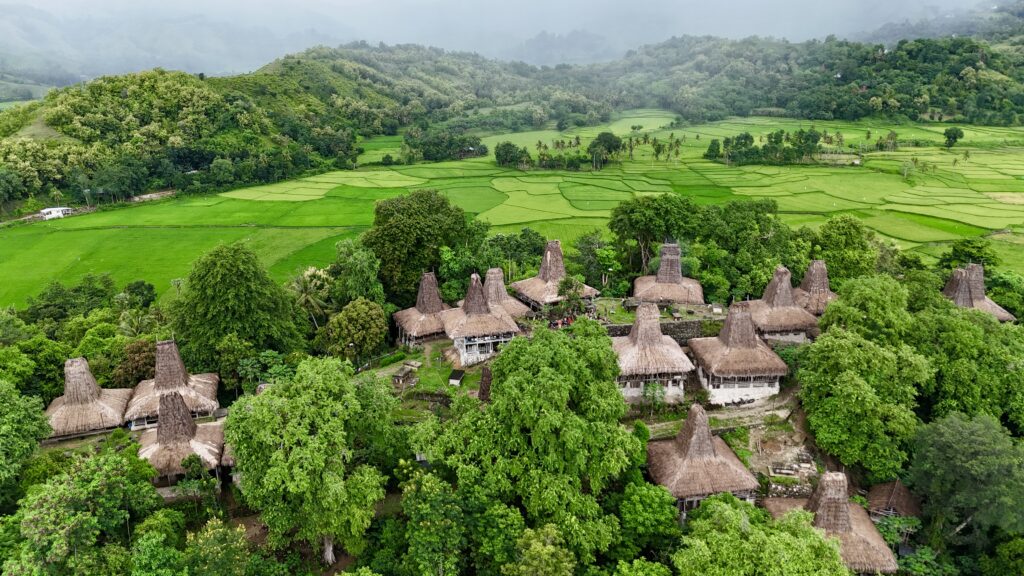
Perched in the highlands of the Anakalang region in western Sumba, Waigali is one of the island’s most emblematic and best-preserved traditional villages.
Here, life moves to the unchanging rhythm of ancestral customs, a place where time appears to have paused, and traditions remain deeply rooted in daily life
🌿 A Timeless Setting
Upon arrival, visitors are immediately struck by the village’s striking architecture: tall, conical-roofed houses built from bamboo, wood, and thatch.
These traditional dwellings, known as Uma Mbatangu, rise elegantly toward the sky, their towering roofs symbolizing the sacred connection between the human world and the realm of the ancestors.
At the heart of the village stand impressive megalithic tombs, carved from stone and marking the central square.
These ancient monuments are powerful reminders of Marapu, Sumba’s ancestral belief system that venerates the spirits of the forebears and continues to shape the island’s spiritual and social life today
🧵 The Art of Ikat Weaving
Waigali is also renowned for its
Each textile is a masterpiece of patience and precision, every motif carrying a symbolic meaning linked to fertility, strength, lineage, or spirituality.
The vivid colors and intricate geometric patterns reflect both artistic mastery and the cultural identity of the Sumbanese people.
🔥 Community Life and Tradition
Village life revolves around the central ceremonial square, where rituals, clan gatherings, and festive events are held.
The social structure remains deeply traditional, guided by respect for ancestors and the spiritual world.
Seasonal agricultural rituals, animal sacrifices, and Marapu celebrations continue to mark the rhythm of life, ensuring the transmission of values that bind generations together.
🐚 A Fragile Yet Precious Ecosystem
Morinda is home to a remarkably rich ecosystem, sheltered by its protective mangrove forests.
Within this delicate environment thrive rare bird species, colorful marine life, and an extraordinary diversity of flora.
This natural sanctuary stands as a reminder of the island’s ecological wealth, a place to be experienced with care and respect, rather than consumed.
🤝 Encounters and Cultural Exchange
The people of Waigali welcome visitors with genuine warmth and humility.
Sitting on the porch of a traditional house, you can listen to stories translated by your guide, exchange smiles with the villagers, and witness a way of life that remains closely connected to nature and community.
Visitors are encouraged to purchase locally made handicrafts, a meaningful way to support the artisans and contribute directly to the village’s livelihood.
Bringing small gifts such as pens or notebooks for the children is a thoughtful gesture that will be met with heartfelt gratitude.
Less frequented than its more famous counterparts, Praijing and Rattenggaro, Waigali offers an intimate and authentic experience.
Here, time slows down, and visitors often describe a profound sense of peace, the feeling of discovering the very soul of Sumba.
🐎 Between Nature and Tradition
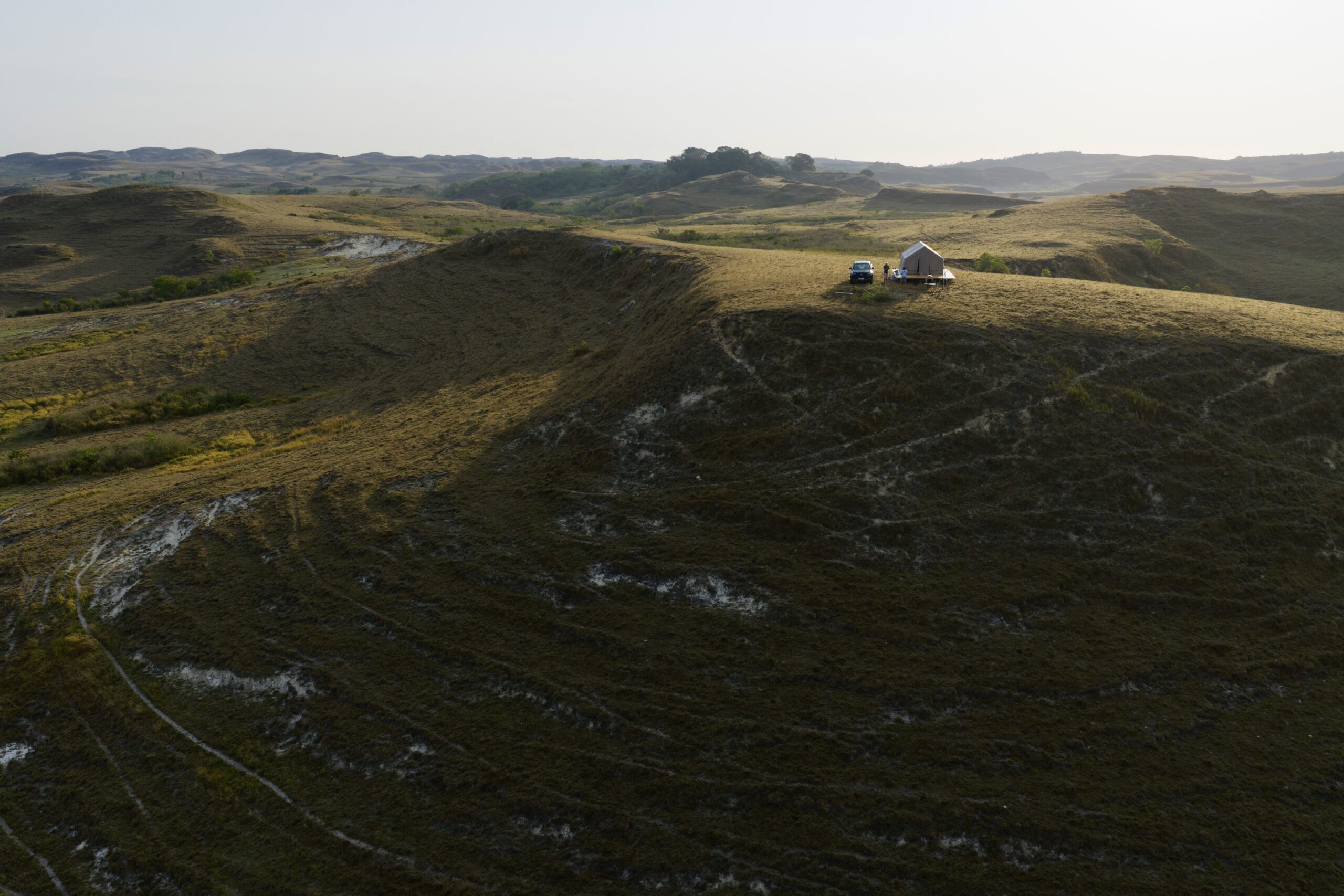
Surrounding Waigali are rolling hills, terraced rice fields, and open pastures where horses and buffalo graze freely.
This landscape, both wild and serene, enhances the impression of entering a living sanctuary, a place where humanity and nature exist in harmony, and ancestral values continue to guide everyday life.
📝 Visitor Information
- Access: Approximately 45 minutes by car from Waikabubak (West Sumba). Roads are narrow but well maintained.
- Recommended Visit Duration: 1.5 to 2 hours to explore the village and engage with the locals.
- Best Time to Visit: Early morning or late afternoon for the most pleasant light and atmosphere.
- Local Guide: Essential to facilitate cultural interaction and provide insight into Marapu traditions.
- Cultural Etiquette:
- Always request permission before taking photographs.
- Do not climb on the megalithic tombs.
- Dress modestly (shoulders covered).
- A small donation or purchase of local textiles is appreciated and supports the community.
- What to Bring: Water, sun protection, comfortable footwear, camera, and small gifts for the children if possible.
🌺 The World of Sumba
With The World of Sumba, let yourself be guided.
We open the paths, but it’s Sumba that opens the hearts.
Welcome to the mystical island.
Welcome to Sumba. Welcome to The World of Sumba, your local, French-speaking travel agency.